
Temporomandibular joint disorders (TMD) affect millions of people, causing jaw pain, headaches, and difficulty with daily activities like eating and speaking. While traditional treatments like physical therapy and oral appliances help many patients, some continue to experience persistent pain. Botulinum toxin type A (Botox) injections into the jaw muscles have emerged as a treatment option for TMD-related muscle pain.
How Botox Works for TMJ
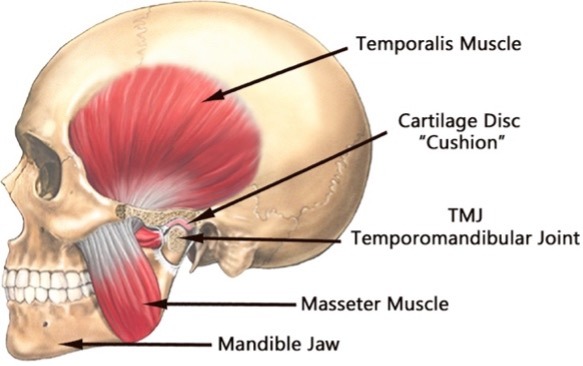
Botox works by temporarily relaxing overactive jaw muscles, particularly the masseter (the large muscle on the side of your jaw) and temporalis (the muscle on the side of your head). When injected into these muscles, Botox reduces muscle tension and hyperactivity that contribute to TMJ pain. Research suggests it also works by reducing inflammation and modulating pain signals in the nervous system.
What the Research Shows
Pain Relief
Recent studies demonstrate that Botox can provide meaningful pain reduction for TMJ disorders:
– Patients experience significant pain reduction within one month of treatment
– Pain relief can last up to six months after a single treatment session
– Higher doses (60-100 units total, divided between both sides) appear more effective for sustained pain relief
– Patients with refractory pain (those who haven’t responded to conservative treatments) show particularly good responses
Quality of Life Improvements
Beyond pain reduction, patients report:
– Improved overall health status
– Better oral health-related quality of life
– Reduced headache frequency and intensity
– Decreased number of tender points in jaw muscles
What to Expect
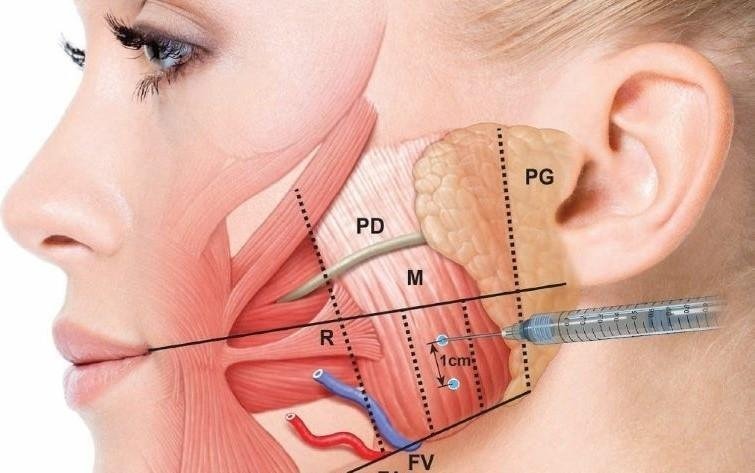
A consultation is the first step to determine candidacy and the number of units needed to achieve effective relief. Treatment typically involves injections into specific tender points in the masseter and temporalis muscles on both sides of the face. The procedure is performed in-office and takes only a few minutes. Most patients begin noticing improvement within 2-4 weeks, with peak effects around one month. Results typically last 3-6 months, after which repeat treatments may be considered.
Important Considerations
While research shows promise, it’s important to note that Botox is not FDA-approved specifically for TMJ disorders. The evidence quality varies across studies, and not all patients respond equally well. Botox appears most beneficial as part of a comprehensive treatment approach that may include physical therapy, stress management, and other conservative measures, such as custom-fabricated NightGuards.
Patients with sensory sensitization (heightened pain sensitivity) may respond more favorably to treatment.
The Bottom Line
Botox injections into the masseter and temporalis muscles represent a minimally invasive option for patients with TMJ-related muscle pain, particularly those who haven’t found adequate relief with conservative treatments. While more research is needed to establish standardized protocols, current evidence supports its use as an adjunctive therapy for improving pain and quality of life in selected patients.
References
1. Botulinum Toxin-a Effects on Pain, Somatosensory and Psychosocial Features of Patients With Refractory Masticatory Myofascial Pain: A Randomized Double-Blind Clinical Trial. De la Torre Canales G, Poluha RL, Bonjardim LR, Ernberg M, Conti PCR. Scientific Reports. 2024;14(1):4201. doi:10.1038/s41598-024-54906-z.
2. The Effectiveness of Botulinum Toxin for Temporomandibular Disorders: A Systematic Review and Meta-Analysis. Saini RS, Ali Abdullah Almoyad M, Binduhayyim RIH, et al. PloS One. 2024;19(3):e0300157. doi:10.1371/journal.pone.0300157.
3. Effect of Botulinum Toxin Type a on Muscular Temporomandibular Disorder: A Systematic Review and Meta-Analysis of Randomized Controlled Trials. Li K, Tan K, Yacovelli A, Bi WG. Journal of Oral Rehabilitation. 2024;51(5):886-897. doi:10.1111/joor.13648.
4. Patient-Reported Outcome Measures After Botulinum Toxin for Temporomandibular-Related Myalgia: A Prospective Study. van Soest M, Remijn L, Tak I, et al. Journal of Clinical Medicine. 2025;14(21):7494. doi:10.3390/jcm14217494.
5. Effect of Botulinum Toxin on Masticatory Muscle Pain in Patients With Temporomandibular Disorders: A Randomized, Double-Blind, Placebo-Controlled Pilot Study. Kim SR, Chang M, Kim AH, Kim ST. Toxins. 2023;15(10):597. doi:10.3390/toxins15100597.
6. Central and Peripheral Sensitization in Temporomandibular Disorders: Proposed Mechanisms of Botulinum Toxin Therapy. Chaudhry BA, Robinson CL, Caronna E, et al. Toxins. 2026;18(1):28. doi:10.3390/toxins18010028.
7. Botulinum Toxin Type a for Painful Temporomandibular Disorders: Systematic Review and Meta-Analysis. Machado D, Martimbianco ALC, Bussadori SK, et al. The Journal of Pain. 2020 Mar – Apr;21(3-4):281-293. doi:10.1016/j.jpain.2019.08.011.
8. FDA Orange Book. FDA Orange Book.